Someone sent him a white feather at Redmond. He never found out who. Not long after, he enlisted.
I will not pretend I was proud. I was proud later, when I had to be, because the alternative was unbearable. At the time I was only afraid, as I had been for Jem, but worse, because Walter had never wanted any of it. He went because he could not live with himself if he did not. He wrote beautiful letters, most of them to Rilla, and a poem that was printed in a London paper and quoted far beyond it, and that I cannot read.
In France, we learned afterwards, he went out into no man’s land under fire to bring in a wounded man. He did not mention it in his letters.
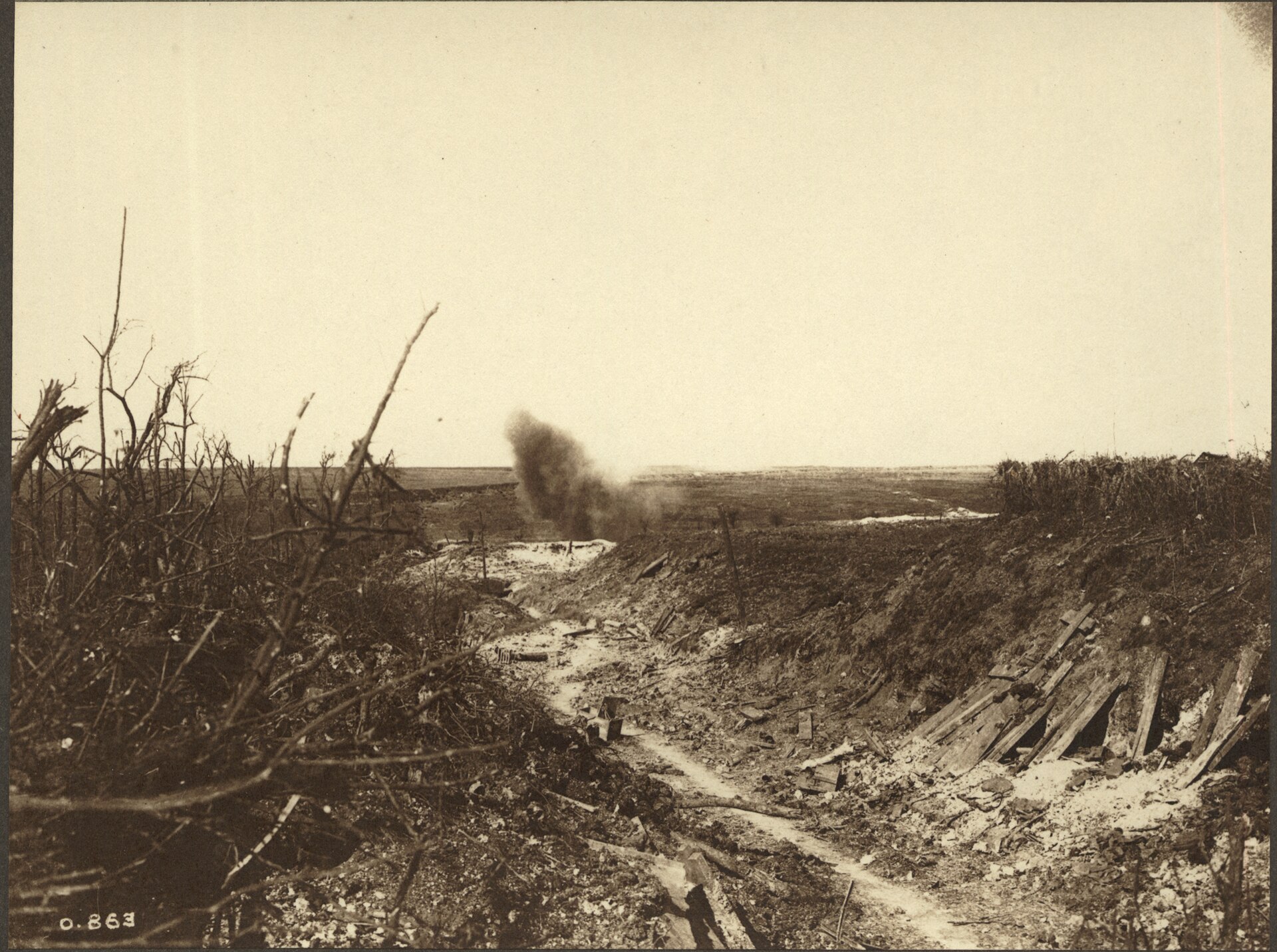
He was killed at Courcelette in September of 1916, by a bullet, during a charge. His commanding officer wrote that it was instant. The night before, he had written to his sister. The letter came after the telegram. It said that he was not afraid any more.
The autumn after, I was ill for a long time, and do not remember very much of it. Gilbert remembers. Susan remembers. I have never asked them.
There is a boy in a photograph on my desk, eleven years old, in the valley below the house. When I look at him I think of the Piper, and I think that Walter was the only one of us who saw it coming. He went anyway.